Koren Hudson, MA, LPC, NCC
Chief Clinical Officer



Koren Hudson, LPC, NCC, serves as the Chief Clinical Officer at Horizon Recovery, where she oversees clinical operations for both residential and outpatient programs supporting adolescents and families.
Learn More About Koren HudsonYour teen sleeps until noon on Saturday. They crash after school. Getting them out of bed on weekday mornings feels like a daily battle. If you’ve typed “why does my teenager sleep so much” into a search bar, you’re far from alone. Most of the time, a sleepy teen is a normal teen. Their bodies and brains are changing fast, and those changes reshape how they sleep. Sometimes, though, sleeping too much is a sign that something deeper is going on.
At Horizon Recovery, we help Phoenix-area families sort out what’s typical and what needs a closer look. If your teen’s sleep changes come with mood shifts, withdrawal, or other worries, connect with our admissions team today.
Learn more about our teen mental health treatment in Arizona or verify your insurance now.
Teens need more sleep than many parents expect. CDC guidance based on American Academy of Sleep Medicine recommendations calls for 8 to 10 hours of sleep every 24 hours for teens ages 13 to 18.
Most teens fall short of that. In a national CDC survey, about 7 in 10 high school students said they slept less than 8 hours on school nights.
That context matters. A teen who sleeps 10 or 11 hours on a weekend may not be oversleeping at all. They may be paying back a week of missed sleep.
Puberty changes the body’s internal clock. During adolescence, the brain releases the sleep hormone melatonin later in the evening, and the pressure to sleep builds more slowly. The result is a teen who isn’t sleepy until late at night. This is biology, not laziness.
A late bedtime paired with an early school alarm adds up to a shortfall every weeknight. By the weekend, many teens are running on empty. Sleeping in feels like the fix. But late weekend wake-ups can push the body clock even later, which makes Monday morning even harder.
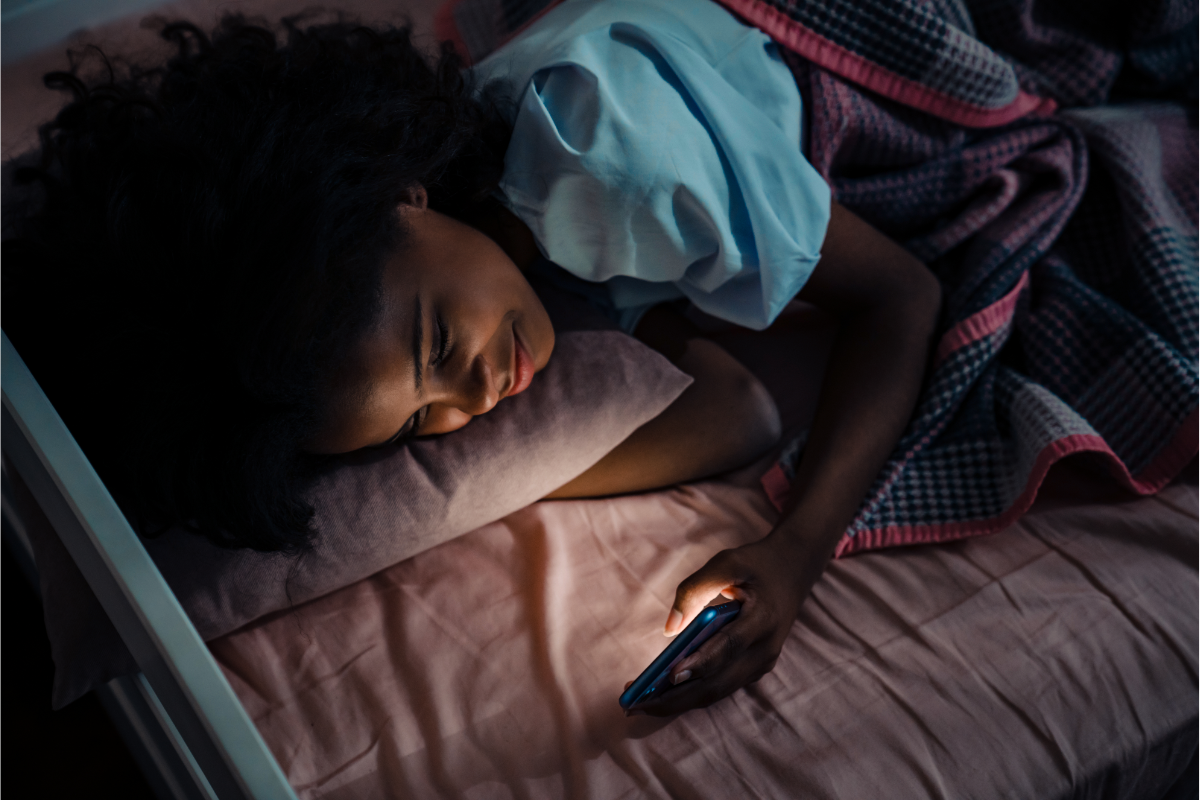
Phones, tablets, and bright rooms keep the brain alert. Evening light exposure can suppress melatonin and delay the body’s sleep timing. A teen scrolling in bed at midnight may struggle to fall asleep, then struggle to wake up.
Homework, sports, part-time jobs, and friendships fill a teen’s day. Their bodies are also growing and developing. All of that takes energy. Extra rest on a quiet weekend is often just recovery.
Long sleep on its own is rarely the problem. What matters more is change, duration, and impact. Is this new? Has it lasted for weeks? Is it getting in the way of school, friends, or family life? The National Institute of Mental Health advises contacting a health professional when behavior changes last weeks or months and interfere with daily life.
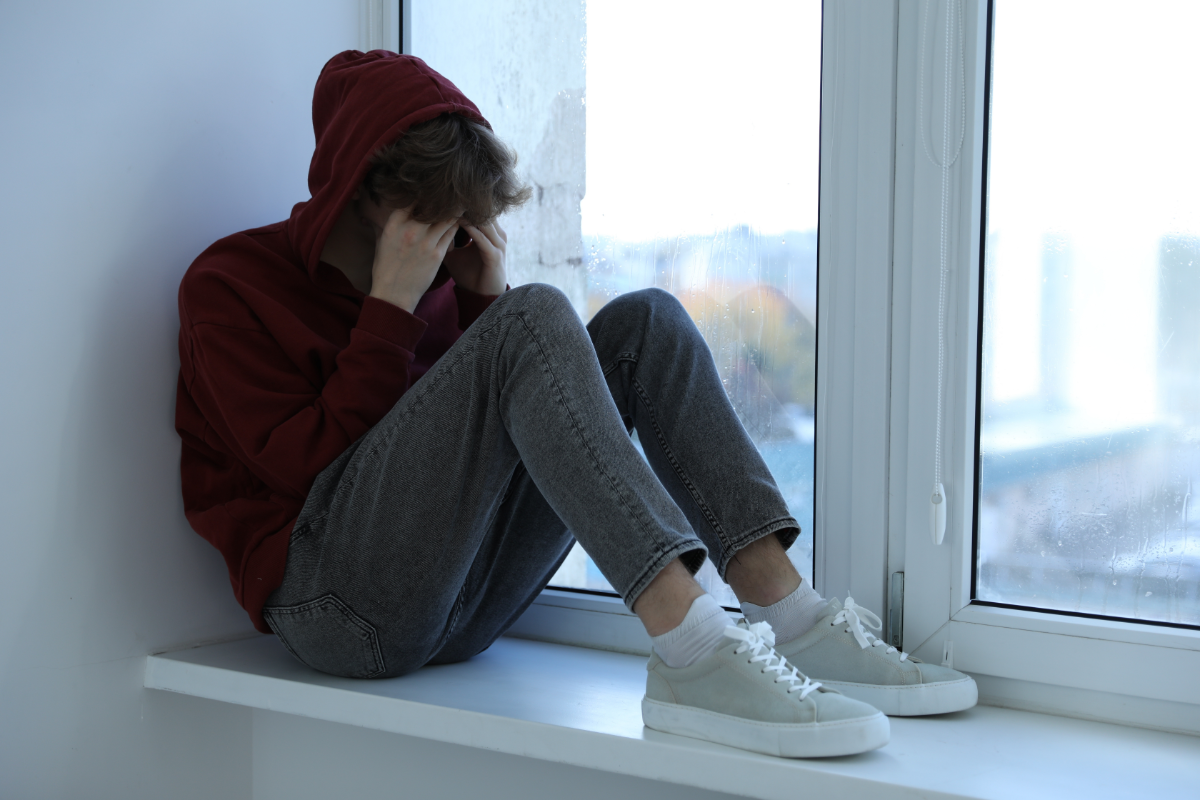
Sleep changes are one of the most common signs of depression in teens. MedlinePlus lists sleeping more than normal and feeling tired much of the day among the symptoms parents may notice. A teen with depression may use sleep to escape feelings that seem too heavy to face. If this sounds familiar, learn more about teen depression and how it’s treated.
Worry can keep a teen awake for hours. Then exhaustion catches up, and they sleep long and hard to make up for it. Teens living with anxiety or the effects of trauma may also feel drained by the constant effort of coping. Poor sleep can then make those feelings harder to manage.
Drugs and alcohol can disrupt sleep in ways parents don’t always connect. The National Institute on Drug Abuse notes that marijuana use is linked to sleep problems in teens, and stopping regular use can cause sleep trouble too. Some high schoolers even use cannabis as a sleep aid, which may keep sleep problems going. Unusual sleepiness alongside secrecy, new friends, or changes in behavior is worth a gentle conversation. Our guide to signs your teen may be struggling with addiction can help.
Physical health can play a role as well. Possible causes of ongoing tiredness include anemia, low iron, infections like mononucleosis, and medication side effects. Narcolepsy is less common, but it most often begins in adolescence and causes intense daytime sleepiness. A checkup with your teen’s doctor can rule these out.
Trust your instincts. You know your teen better than anyone. Consider talking with your teen’s doctor or a mental health professional if you notice:
Small, steady changes often help more than big rules. The CDC’s tips for good sleep in kids and teens are a useful place to start. Simple habits that support healthier teen sleep include:
Teens tend to shut down when they feel judged. Keep it short and kind. “You’ve seemed really wiped out lately. How are you doing?” can open a door.
If healthier habits don’t help, or sleep changes come with mood or behavior changes, it’s time to reach out. Start with your teen’s pediatrician to rule out medical causes. From there, a mental health evaluation can look at depression, anxiety, trauma, or substance use.
Asking for help isn’t overreacting. Early support can make a real difference.
If your teen talks about hopelessness, self-harm, or not wanting to be alive, take it seriously right away. Call or text the 988 Suicide & Crisis Lifeline at 988 for free, confidential support 24/7. If your teen may be in immediate danger, call 911.
Often it’s normal. Puberty shifts the body clock later, early school alarms create a sleep debt, and growing bodies need rest. Sometimes it signals depression, anxiety, substance use, or a medical issue.
CDC guidance based on American Academy of Sleep Medicine recommendations calls for 8 to 10 hours every 24 hours for teens ages 13 to 18.
It can be. Sleeping more than normal and feeling tired much of the day are among the symptoms of depression MedlinePlus lists. Look for other changes too, like lost interest, pulling away, or ongoing sadness.
When changes last for several weeks, rest doesn’t fix the tiredness, or sleep comes with mood changes, slipping grades, or possible substance use.
Keep a steady schedule, keep screens out of the bedroom, get morning light, cut late-day caffeine, and encourage daytime movement.
Start with your teen’s pediatrician to rule out medical causes. A mental health evaluation can then look at depression, anxiety, trauma, or substance use.
Horizon Recovery is an adolescent treatment center in the Phoenix metro area. We serve teens ages 12 to 17 in residential care and young people ages 8 to 21 in outpatient programs. We treat mental health conditions, substance use, and co-occurring disorders.
Sleep is part of the treatment plan, not an afterthought. Our Fitness and Wellness Program treats movement, sleep, and nutrition as part of clinical care. In residential and PHP, daily programming includes sleep hygiene alongside therapy.
Horizon Recovery offers a full continuum of teen-focused care:
Treatment draws on evidence-based approaches like cognitive behavioral therapy (CBT), dialectical behavior therapy (DBT), family therapy, and medication management. Not sure where your teen fits? Our free teen depression screener is a simple first step.
We publish our results. We report how many teens return to care after discharge and how symptoms change from intake to discharge, with the number of young people behind each figure. These come from our own clinical records, not a research study, and no outcome is guaranteed. Figures are refreshed monthly. See the full numbers and how we measure them.
Not ready to call? Start Here walks through the first steps in order, with free screeners for depression, anxiety, ADHD and bipolar that take a few minutes each. The screeners don't diagnose or decide the level of care. Start Here.
Comparing programs? Here are seven questions to ask every program you call: written guarantees, staffing, clinical hours, family involvement and more. Read the seven questions.
Who is with my teen, and how often will I hear from you? In our residential houses, licensed master's-level therapists carry no more than five teens each. Families get a weekly family therapy session and a weekly call from their teen's clinician with a written summary. After-hours calls are answered by someone who knows your child, not an outside agency. See the full answers.
Neurofeedback with residential care. The Neuro Program, offered at Arrowhead and Deer Valley, uses QEEG brain maps before and after at least 20 training sessions over about 5 to 6 weeks. Our Chief Clinical Officer reviews each referral. Teens who complete the program have shown more reliable improvement than those who stop early, and we publish that comparison, with its numbers, on our treatment outcomes page. This is not a randomized study, and teens who stay longer may differ from those who leave early. Learn about the Neuro Program.
Our written service guarantee. Horizon puts its service standards in writing and our CEO signs them for every family at admission. They cover how we communicate, provide care and treat your family from admission through the seventh day after discharge. If we confirm we missed a commitment, you get a full refund of what you paid out of pocket. It is a promise about service, not outcomes. Read the Horizon Guarantee.
A teen who sleeps a lot is usually a teen who’s growing. But you don’t have to guess when something feels off. If your teen’s sleep has changed along with their mood, energy, or behavior, a conversation with a professional can bring clarity and relief.
At Horizon Recovery, we partner with parents every step of the way. Our team understands teens, and we understand how worried you may be feeling right now.
Call us now at (602) 755-7858 to talk with someone who can help. You can also verify your insurance now to take the next step toward support for your teen.