Koren Hudson, MA, LPC, NCC
Chief Clinical Officer



Koren Hudson, LPC, NCC, serves as the Chief Clinical Officer at Horizon Recovery, where she oversees clinical operations for both residential and outpatient programs supporting adolescents and families.
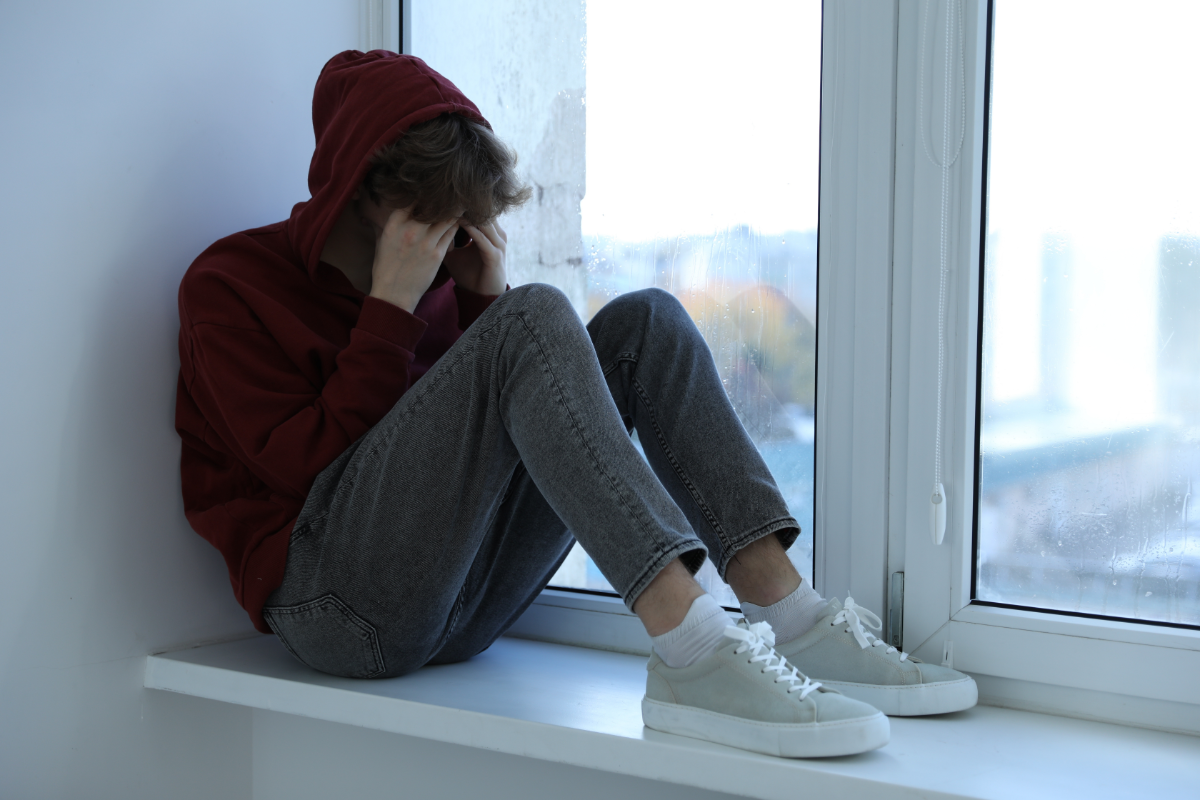
Learn More About Koren HudsonA new school year brings new schedules, new classes, and a lot of new pressure. For many teens, that pressure turns into back-to-school anxiety. Some nervousness is normal. But for some teens, the worry doesn’t fade after the first week or two. It grows. If you’re watching your teen struggle and wondering what’s going on, you’re not alone.
At Horizon Recovery, we help teens and families work through anxiety, depression, and substance use in the Phoenix area. If your teen’s worry is getting in the way of daily life, connect with our admissions team today.
Learn more about our teen anxiety treatment or take our free anxiety test for teens.
Back-to-school anxiety is the worry, fear, or dread a teen feels as a new school year starts. It can show up weeks before the first day. It can also hit once classes begin and the pressure builds.
Anxiety is common in teens. About 31.9% of adolescents ages 13 to 18 will have an anxiety disorder at some point. For these teens, school is often where symptoms show up most.
Not every anxious teen has a disorder. Many feel stressed for a short time and then settle in. The key is knowing what your teen is facing and watching how they cope over time.
Every teen is different. Still, certain worries come up again and again. Here are 10 of the most common.
Friendships can shift a lot over one summer. Teens may worry about who they’ll sit with at lunch. They may fear being left out or judged. For a teen who already feels socially anxious, walking into a crowded hallway can feel overwhelming.
Harder classes often mean more homework and higher stakes. Teens may worry about falling behind or disappointing their parents. Juniors and seniors may also feel pressure about college, test scores, and their future.
Some teens freeze up during tests. Others dread being called on in class or giving a presentation. They may know the material well. But fear of failing or being embarrassed can block them from showing it.
Bullying is a real fear for many students. In 2023, 19% of high school students reported being bullied at school. That same year, 13% missed school because they felt unsafe at school or on the way there. A teen who has been bullied before may dread going back.
Starting middle school, high school, or a new school is a major change. New buildings, new teachers, and new rules all arrive at once. Not knowing what to expect can make even confident teens nervous.
Summer schedules often shift late. Then school starts early. A national CDC analysis found that 72.7% of high school students got less than eight hours of sleep on an average school night. Poor sleep can make worry, irritability, and trouble focusing much worse.
Sports, clubs, jobs, and homework can pile up fast. Teens may feel like they never get a break. When every hour is booked, there’s little time to rest and recharge.
Most teens are online throughout the day. In 2023, 77% of high school students used social media several times a day. Seeing classmates’ highlight reels can spark fear of missing out. It can also fuel worries about looks, popularity, and fitting in.
Some teens feel they must get every answer right. Anything less than perfect feels like failure. This pressure may come from parents, coaches, or the teen themselves. Over time, perfectionism can lead to burnout and avoidance.
If last year was hard, a teen may expect this year to go the same way. Maybe they struggled with grades, friendships, or their mental health. That fear of repeating the past can make the new year feel heavy before it even begins.
It can be hard to tell typical stress from a bigger problem. The National Institute of Mental Health suggests seeking help when emotions or behaviors last for weeks or longer, cause distress, or get in the way of school, home, or friendships. Signs your teen’s anxiety may need more support include:
Most teens have a rough first week or two and then settle in. A teen who is still sliding downhill a month into the school year is telling you something important.
You can’t take away every worry. But you can make the transition easier. Ways to support an anxious teen include:
For more practical steps, read our parent’s guide to the school year and teen mental health.
Some teens turn to vaping, alcohol, or other drugs to quiet their anxiety. It may seem to help at first. Over time, it often makes anxiety worse and adds new risks.
When anxiety and substance use happen together, both need care at the same time. This is called dual diagnosis treatment. Treating only one problem often leaves the other untreated.
If your teen’s anxiety is getting in the way of school, sleep, or relationships, it’s time to reach out. A professional can help sort out whether this is a passing phase or something more.
Early help matters. Anxiety that goes untreated can lead to school avoidance, depression, or substance use. With the right support, teens can learn skills to manage worry and feel more like themselves again.
Some nervousness is normal. Many teens feel stressed for a short time and then settle in. It’s worth a closer look if the worry doesn’t fade after the first week or two, or keeps growing.
Common causes include social pressure, grades, test anxiety, bullying, big transitions, poor sleep, overloaded schedules, social media, perfectionism, and struggles carried over from last year.
Stomachaches or headaches on school mornings, asking to stay home, sleep changes, pulling away, falling grades, mood changes, and using substances to cope.
Listen without trying to fix, reset sleep early, lower the unknowns by reviewing the schedule or visiting campus, connect with the school counselor, and protect downtime.
When your teen’s anxiety lasts weeks or longer, causes distress, or gets in the way of school, sleep, or relationships.
Yes. Horizon Recovery’s education services let teens keep up with school through an accredited program during treatment.
Horizon Recovery treats teens exclusively. Our programs are built around adolescent needs, and we partner with parents every step of the way. We offer residential, PHP, and IOP care for teens ages 12 to 17, plus outpatient therapy for ages 10 to 21.
Levels of care at Horizon Recovery include:
Therapies we use to treat teen anxiety include:
Worried about your teen falling behind? Our education services let teens keep up with school through an accredited program during treatment.
We publish our results. We report how many teens return to care after discharge and how symptoms change from intake to discharge, with the number of young people behind each figure. These come from our own clinical records, not a research study, and no outcome is guaranteed. Figures are refreshed monthly. See the full numbers and how we measure them.
Not ready to call? Start Here walks through the first steps in order, with free screeners for depression, anxiety, ADHD and bipolar that take a few minutes each. The screeners don't diagnose or decide the level of care.
Start Here.
Comparing programs? Here are seven questions to ask every program you call: written guarantees, staffing, clinical hours, family involvement and more.
Read the seven questions.
Who is with my teen, and how often will I hear from you? In our residential houses, licensed master's-level therapists carry no more than five teens each. Families get a weekly family therapy session and a weekly call from their teen's clinician with a written summary. After-hours calls are answered by someone who knows your child, not an outside agency.
See the full answers.
Neurofeedback with residential care. The Neuro Program, offered at Arrowhead and Deer Valley, uses QEEG brain maps before and after at least 20 training sessions over about 5 to 6 weeks. Our Chief Clinical Officer reviews each referral. Teens who complete the program have shown more reliable improvement than those who stop early, and we publish that comparison, with its numbers, on our treatment outcomes page. This is not a randomized study, and teens who stay longer may differ from those who leave early.
Learn about the Neuro Program.
Our written service guarantee. Horizon puts its service standards in writing and our CEO signs them for every family at admission. They cover how we communicate, provide care and treat your family from admission through the seventh day after discharge. If we confirm we missed a commitment, you get a full refund of what you paid out of pocket. It is a promise about service, not outcomes.
Read the Horizon Guarantee.
Watching your teen struggle is hard. You don’t have to figure this out alone. Back-to-school worries can feel huge right now. With the right support, your teen can feel calmer, more confident, and ready to take on the school year.
Our team is here to listen and help you understand your options. Reaching out doesn’t commit you to treatment. It’s simply a conversation about what your teen needs.
Call us now at (602) 755-7858. To take the next step today, verify your insurance now.