About Horizon Recovery
Teen mental health care that shows you the data, not just the brochure
Since 2022, Horizon Recovery has walked with more than 1,200 families through crisis and home again. Across 798 discharges, about 5.8% of teens have been readmitted within 90 days. That's not a promise of what will happen for your teen — it's what our own records show so far.
Call Now: (623) 243-8992
Verify your insurance
Why we exist

We Understand What You're Going Through

You’re reading this because you’re looking for help for your child. That’s a hard place to be, and it’s exactly why Horizon Recovery exists.

Maybe you’ve tried other programs. Maybe one discharged your teen before real progress, or you watched them bounce from one level of care to another with no clear plan. You’ve been promised results before. You don’t need more promises. You want proof.

So we measure what actually changes: emotional symptoms, depression, anxiety, and who needs to come back. And we show you the number of young people behind every figure — including the measures that don’t flatter us.
Call Now: (623) 243-8992
At a glance

What our own records show so far

These are our own results, not a guarantee; every child is measured individually.

1,200+

Families served since 2022
Across six locations in the Phoenix area, with 120 staff.
How our care works

64 → 55

Emotional symptoms, intake to discharge
From the elevated range back into the typical range on the BASC-3 — nearly a full standard deviation. First 20 young people measured start to finish.
See how we measure

5.8%

Returned to care within 90 days
N = 798 discharges. Measured a second way — any return, any level, any time — it’s about 9%.
See how we measure
Want someone to translate these numbers into plain English for your family? Call (623) 243-8992.
Inside the program

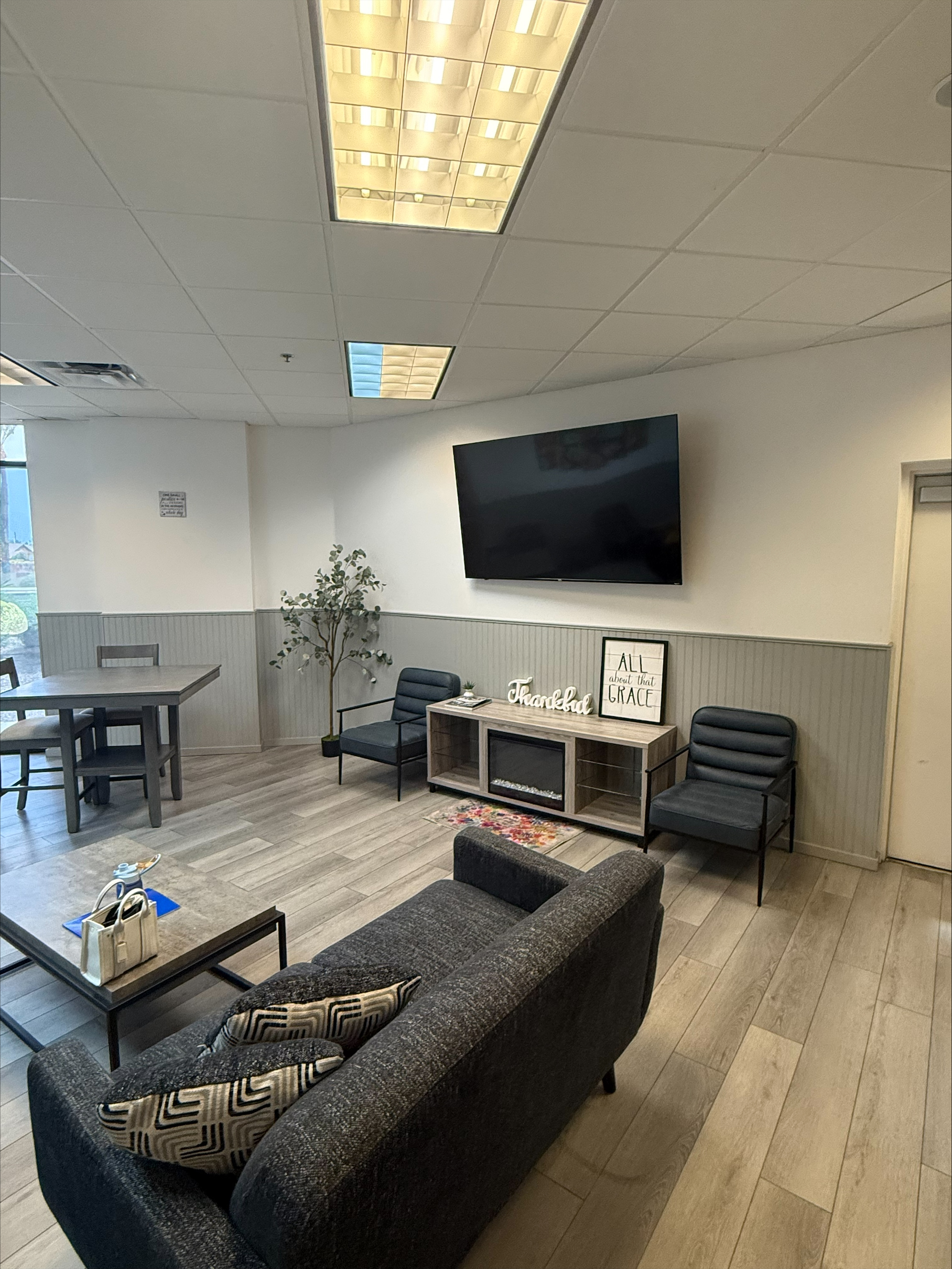
See where your child would actually be

You are not sending your teen into a black box. On a typical day at Horizon, your child will:
Watch a short walk-through of our spaces and team, then call us with your questions: (623) 243-8992.
Our founding
Founded by someone who runs toward the fire
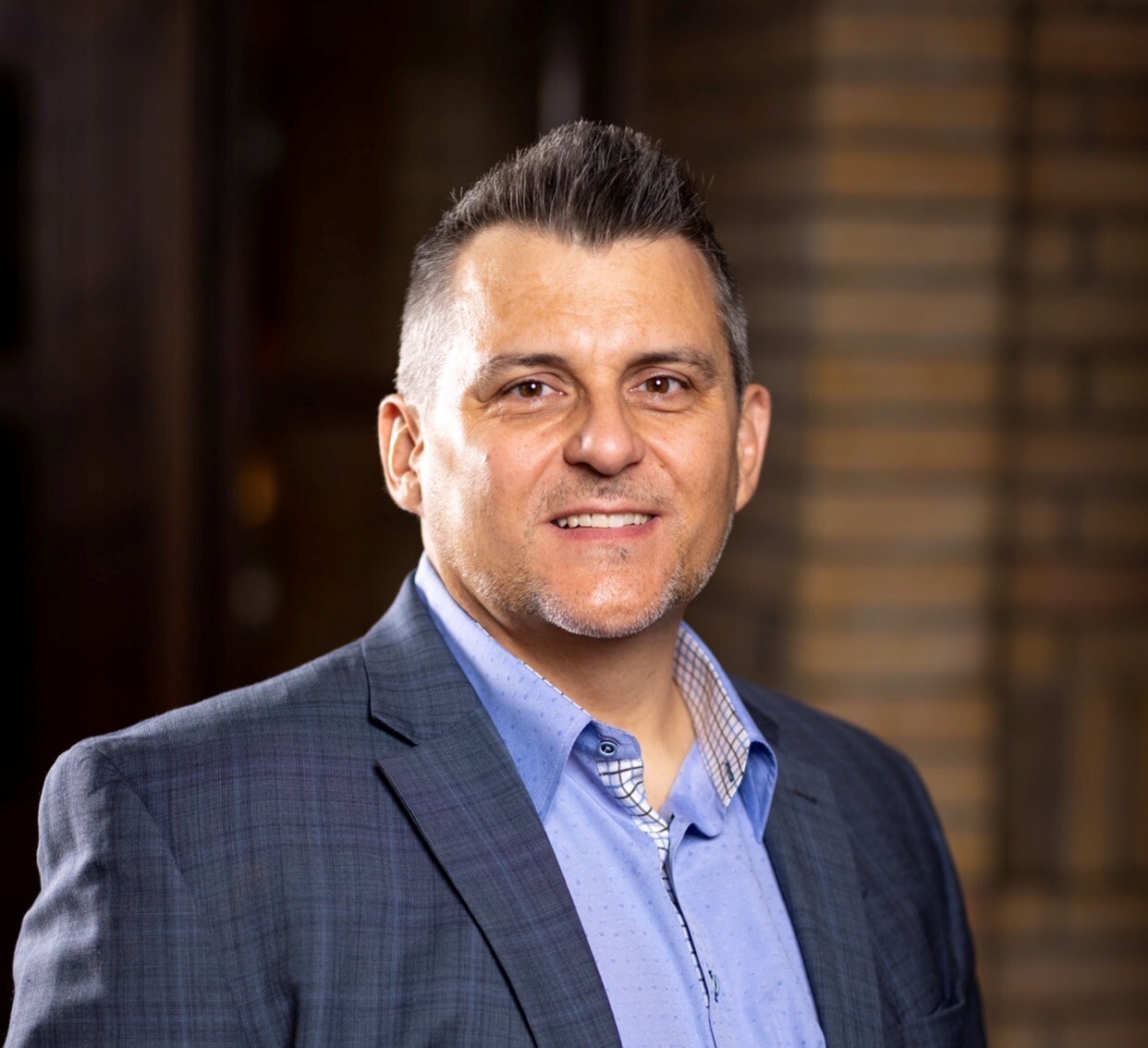
Horizon Recovery was founded in 2022 by Brian Carlisle, who has spent his entire career stepping into other people’s worst days.
  • 15 years as a medic and Captain Paramedic with Phoenix Fire
  • 11 years as a registered nurse, including 5 years in the ER
  • Board-certified Family Nurse Practitioner who still provides care inside Horizon
He has stood in hundreds of living rooms while families watched their lives literally burn. After years of seeing teens cycle through hospitals and programs with no clear plan, he built Horizon to be the place he wished he could send those families: medically competent, emotionally warm, and obsessive about communication and measurement.

Today, Horizon Recovery has 120 staff members across 6 locations, with over 100 years of combined experience standing ready to support your family.
Ask any program you call: "Who actually leads this program day to day, and what experience do they have with crisis care for teens?" Then ask us the same question.
How to compare programs

How Horizon is different in ways that matter to parents

When you call programs, the language starts to sound the same. Here are the questions worth asking any provider — and our answers.

How will you keep my child safe?

How will you keep us informed?

How do you measure whether treatment is helping?

What happens after residential?

Will you stand behind your commitments?

In writing

The Horizon Guarantee

We don’t promise outcomes. No honest program can. What we promise is how we show up — and we put it in writing at admission.

  • A named care coordinator, not a general line
  • Scheduled updates on a set cadence
  • Your first aftercare appointment booked before discharge
  • A refund of your out-of-pocket if we miss a written commitment
Read the full Horizon Guarantee
How care holds together

One Continuous Team, One Connected Record

Teens shouldn’t have to start over every time their level of care changes. At Horizon, your child moves through one connected continuum — residential, PHP, IOP, outpatient — with the same core team, one clinical record, and no re-intakes at every step.
  • No restarting the story at each level
  • No parents acting as project managers between programs
  • The next step is arranged before your child takes it
Parents get regular, scheduled updates from a named care coordinator — not “call if you need us.”
THE NEURO PROGRAM

First Brain, Then Behavior

For some teens, we add the Neuro Program: a 19-channel qEEG brain map and a neurofeedback protocol. In our Director of Neuropsychology's clinical experience, more than 90% of adolescents entering treatment are carrying at least one misdiagnosis and are medicated for it. The Neuro Program re-examines those labels against your child's own data instead of copying the chart forward.

We measure brain function at the start and again at the end, and your family keeps both maps. That data belongs to you and is useful to any future provider.

40.0% VS 14.3%

Among residential clients, young people in the Neuro Program reached meaningful improvement on depression and anxiety measures at 40.0%, versus 14.3% of those who didn't take part — even though the Neuro group arrived with higher symptom scores (N = 214 and 117).

Families chose the Neuro Program — we didn't assign young people to it — and that group also stayed in care longer, which tracks with better improvement on its own. So this is what happened for the young people who took part, not proof the program alone caused it.

If another program mentions "brain-based" treatment, ask: "What exactly do you measure? How often? And do I get to keep the data?" Then compare their answer to ours.

Explore the Neuro Program

A brain map is a painless recording of brain activity, taken with sensors that rest on the scalp — no needles, no radiation. White and green mark the healthy range; warm colors mark too much activity, cool colors too little.

This is one young person's data. It shows what the measurement looks like — not a typical result. All identifying information has been removed.

Before Brain Map

Before

At the start of the program. Large warm areas mark activity above the healthy range.

After Brain Map

After 40 sessions

The warm areas have shrunk toward green — closer to the healthy range for this young person.

Who your child works with

The people who will actually treat your child

Not a stock photo of a team — the clinicians who will be in the room. Each one’s licence and credentials
are listed, and each links to a full bio.
The continuum

One continuum, four levels of care

Teens don’t heal in pieces, and they shouldn’t have to start over every time their care changes.
From residential through outpatient, we keep your teen with the same team, in the same community,
at every stage of recovery. We track outcomes across all these levels, so you can see whether it’s
working rather than just hear that it is.
Inpatient Residential Treatment

Inpatient Residential Treatment

24/7 care in a safe, structured environment. Teens live on-site and receive round-the-clock support for both addiction and mental health challenges, with intensive, individualized treatment in a nurturing setting.

Learn more about inpatient
Partial Hospitalization Program

Partial Hospitalization Program (PHP)

Daily clinical support with the comfort of home at night. Teens spend the day receiving focused care and return home in the evening to apply their skills in real-world settings. For teens who need added structure, our partnership with Teen Pathways Alliance offers supportive housing during treatment.

Learn more about PHP
Intensive Outpatient Program

Intensive Outpatient Program (IOP)

Flexible, step-down care that fits into everyday life. As teens continue progressing, IOP provides group and individual therapy several times a week — in person or via telehealth — while they live at home and stay connected to school, friends, and family.

Learn more about IOP
Outpatient Therapy

Outpatient Therapy

Ongoing support for long-term success. This stage of the continuum focuses on sustaining recovery and managing co-occurring challenges like anxiety, depression, or trauma. Teens meet regularly with licensed clinicians, in person or online, while fully reintegrated at home.

Learn more about outpatient

What happens when you call

Calling a treatment program can feel scary. Here's exactly what to expect at (623) 243-8992:

  • You reach a real person on our admissions team.
  • We listen first. You share what's been going on with your teen and what support you already have.
  • We talk through safety. If there's immediate risk of harm, we help you think through crisis options, including 988 or emergency services.
  • We recommend a level of care. If Horizon is a fit, we explain next steps. If not, we still help you think through other options.
  • We verify benefits and explain expected out-of-pocket costs in plain language, before any admission decision.
  • You decide — with more information and less guesswork. There's no obligation to admit.
You're not committing to treatment by picking up the phone. You're committing to getting clearer information.
Call Now: (623) 243-8992
Verify your insurance

If you're not ready to call yet

Many parents land on this page late at night and aren't ready to talk to anyone. That's okay.

Before you close this tab, ask yourself:

  • Do I feel more or less alone after reading this?
  • Do I understand better what help could look like for my teen?
  • Is it safer to keep managing this on my own, or to talk to someone who does this every day?

When you're ready, we're here.

Verify insurance

Recovery Is Possible.
Change Is Real.

If your teen is ready, we’re here to walk with you — with real care, proven
therapies, measured progress, and a plan built just for your child.
Verify your insurance
Call Now: (623) 243-8992
See our outcomes