Teen Mental Health Treatment in Scottsdale, Arizona

Residential 11–17 · Outpatient 8–21 · Phoenix-area homes and clinics · Telehealth for Arizona families

Your teen needs more than weekly therapy, you're in Scottsdale, and every program nearby says it gets results.
Call Now: (623) 243-8992
AT A GLANCE

Real Outcomes. Measurable Progress.

We publish our results with the number behind every figure.

64 → 55

Average BASC-3 emotional symptom score, start of stay to end of stay (where 50 is the age average).

View Treatment Outcomes →

11 of 22

Young people who arrived in the elevated range finished their stay in the typical range for their age.

View Treatment Outcomes →

9.4%

Returned to care within 90 days of discharge (798 discharges).

View Treatment Outcomes →

Why a Scottsdale Family Would Drive to Us

Four of the teen programs nearest you have a Scottsdale address. Hold this page against any of them.

‍

Ask each program what share of teens cleared a defined threshold, not just the average. Ask for the number behind the figure. Ask what is in writing. Among the Valley teen programs we reviewed in October 2026, we have not found another that publishes a clinical outcome with its N.*2

‍

We check every diagnosis your child arrives with against your child's own brain map, not against a chart. The teens we serve are clinically complex: across 593 young people in our current records, the average is 2.8 diagnoses each.*2

‍

We treat young people only. Ages 8 to 21 in outpatient care, 11 to 17 in residential. Our staff, programs and homes are built for adolescents, not adapted from adult care.


Where Scottsdale Families Receive Care

Whispering Wind

Whispering Wind

PHP, IOP & outpatient therapy; Neuro Program

Arrowhead Outpatient

Arrowhead Outpatient

PHP, IOP & outpatient therapy; Neuro Program

Arrowhead Residential

Arrowhead Residential

Residential; Neuro Program

Deer Valley

Deer Valley

Residential; Neuro Program

Buckeye Residential

Buckeye Residential

Residential; Neuro Program screening (training not offered at this home)

Peoria Supportive

Peoria Supportive

Supportive housing during PHP, with Teen Pathways Alliance

Teen

When Your Teen May Benefit From Treatment

You know your child. Maybe they used to look forward to friends and now spend weekends alone. Maybe small frustrations set off big outbursts. Maybe getting through a school day takes more than it should.

Consider an evaluation if you notice that your teen:

  • Feels anxious often, or has panic attacks
  • Seems sad, irritable or discouraged most days
  • Pulls away from friends and the things they used to enjoy
  • Sleeps or eats very differently than before
  • Misses school, or cannot finish assignments
  • Uses alcohol or drugs to cope
  • Hurts themselves, or talks about wanting to die

Mental Health Concerns We Address

Our clinicians look at your child's symptoms alongside their history, their daily functioning and, in the Neuro Program, their brain map. That full picture shapes the treatment plan.

  • Anxiety disorders: your teen learns what drives the worry and practices ways to manage it.
  • Depression: care addresses the low mood and helps your teen reconnect with daily life.
  • Trauma-related concerns: your teen works through distress from painful or frightening experiences with a trauma-trained team.
  • Self-harm: your teen learns their triggers and builds safer responses to distress.
  • Co-occurring substance use: we treat the mental health concern and the alcohol or drug use together.
  • ADHD: evaluation and treatment for attention, focus and impulsivity.
  • Social media, gaming and AI chatbot dependence: treated inside the same programming, with the family involved.

We Measure What Is Happening in Your Teen's Brain

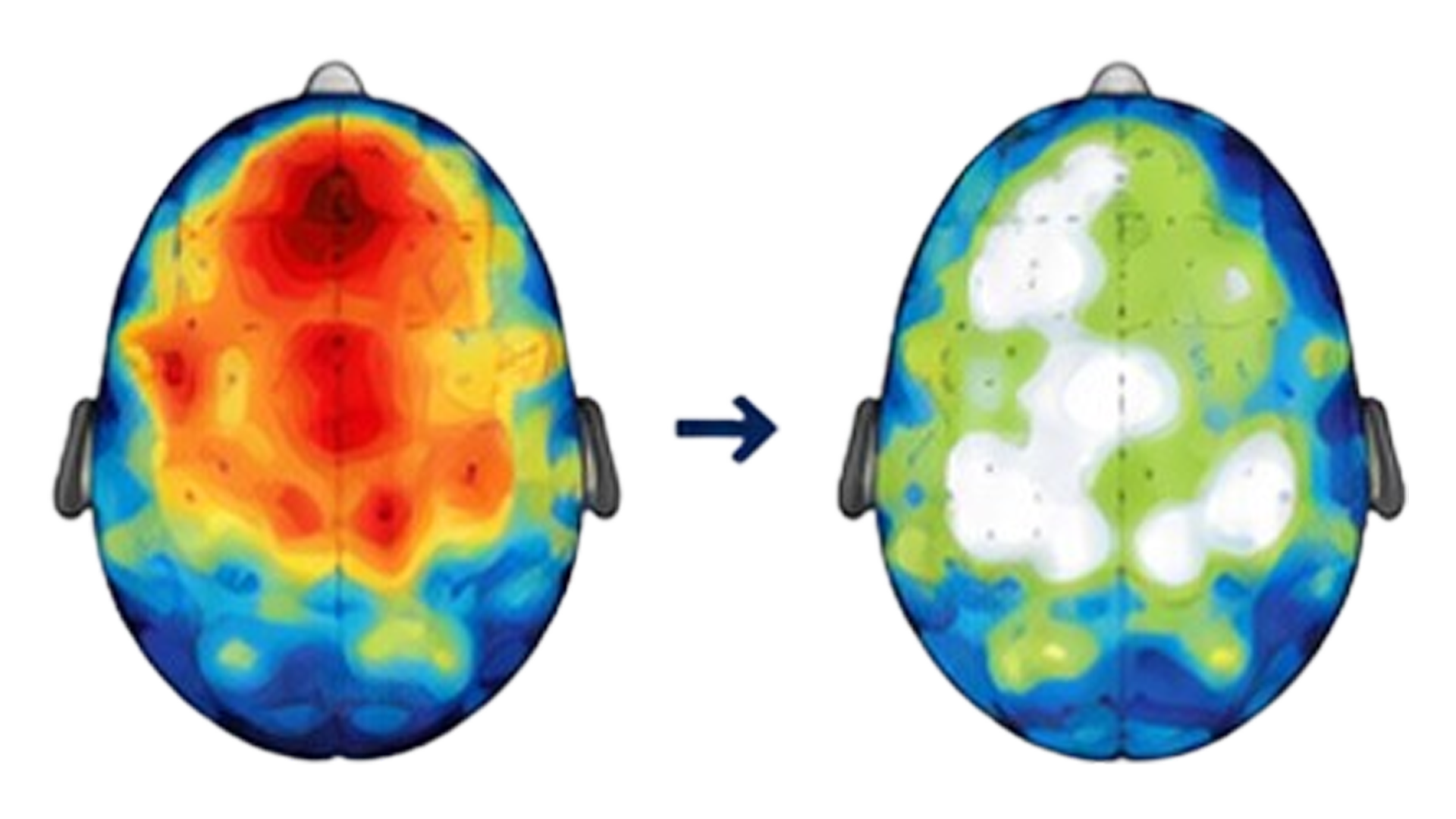
A 19-channel qEEG brain map gives us objective data about how your teen's brain is functioning, and helps us personalize treatment at every level of care.

Learn About Our Neuro Program →
Brain Scan

The Neuro Program

We use 19-channel qEEG brain mapping to guide treatment, track progress and measure real changes.

Learn More →

Adolescent Treatment Programs That Utilize CBT

Cognitive Behavioral Therapy is integrated into several of Horizon Recovery’s treatment programs for teens.

‍

Teen Residential Treatment

Residential care provides a structured environment where adolescents receive daily therapy and clinical support. CBT sessions help teens identify harmful thought patterns and develop healthier responses to emotional stress. The residential setting allows adolescents to practice these skills consistently while receiving guidance from trained clinicians.

‍

Teen Outpatient Programs in Phoenix

Our outpatient programs (partial hospitalization, intensive outpatient treatment, and outpatient therapy) allow teens to continue their daily routines while participating in structured therapy. CBT therapy in Phoenix is incorporated into individual and group sessions where adolescents develop coping strategies and emotional regulation skills.

Each level of care focuses on helping teens apply CBT techniques to real-life situations such as school stress, social challenges, and family conflict.

What Should You Expect in a CBT Session for Your Child?

CBT sessions are collaborative and structured. The therapist works closely with the teen to identify challenges and develop practical strategies.

  1. A typical session may begin with discussing recent experiences or emotional triggers. The therapist may ask the teen to describe situations where strong emotions occurred.

  2. The therapist then helps the teen identify the thoughts connected to those emotions. Once those thoughts are identified, the teen learns how to evaluate them more realistically.

  3. Many sessions also include skill-building exercises that teach emotional regulation and problem-solving strategies.

  4. Therapists often assign small exercises between sessions so teens can practice applying CBT skills in their everyday lives.

Progress is reviewed regularly, allowing therapists to adjust treatment goals as the teen develops stronger coping abilities.

Common CBT Interventions

CBT uses a variety of techniques that help teens examine thoughts and behaviors:

  1. Cognitive Restructuring: Teens learn how to recognize negative thought patterns and replace them with more balanced perspectives.
  2. Behavioral Activation: This intervention helps teens increase positive activities that support emotional well-being.
  3. Thought Records: Teens may write down thoughts that occur during stressful situations. Reviewing these patterns helps identify cognitive distortions.
  4. Exposure Exercises: For teens struggling with anxiety, gradual exposure to feared situations can reduce avoidance and build confidence.

These interventions help teens develop awareness of how their thinking patterns affect behavior and emotions.

‍What Are The Benefits of Teen CBT?

Cognitive Behavioral Therapy provides adolescents with skills that extend beyond the therapy setting. Learning these skills during adolescence can support mental health well into adulthood.

  • Many teens experience improved emotional regulation as they learn how to manage stress and frustration more effectively.
  • CBT can also strengthen problem-solving skills. Teens begin to approach challenges more thoughtfully instead of reacting impulsively.
  • Communication often improves as adolescents gain confidence expressing their thoughts and feelings.
  • Over time, many teens develop stronger self-awareness and a greater sense of control over their reactions.

‍How Effective is CBT for Teens?

CBT has been widely studied and is considered one of the most effective treatments for many adolescent mental health conditions. Research shows that it can significantly reduce symptoms of anxiety, depression, and behavioral problems in young people.

‍

Studies have found that a large portion of youth receiving CBT for anxiety experience significant improvement after treatment. The therapy’s effectiveness is partly due to its practical focus. Teens learn skills they can apply to everyday situations rather than only discussing past experiences.

Research also suggests that many adolescents continue to benefit from CBT skills long after treatment ends.

‍

What Type of Disorders is CBT Most Appropriate For?

‍

CBT can be used to treat a wide range of mental health and behavioral conditions in adolescents.

‍

Common conditions treated with CBT include:

The therapy focuses on identifying thoughts that contribute to emotional distress and replacing them with healthier patterns.

‍

Because CBT targets both thoughts and behaviors, it can be effective for many different types of challenges teens experience.

What Parents Should Expect

Parents play an important role in supporting their teen’s progress during therapy.

At Horizon Recovery, families remain involved throughout the treatment process.

  • Therapists provide updates about goals and progress while helping parents understand the skills their teen is learning.
  • Family sessions may focus on communication patterns, conflict resolution, and strategies that reinforce CBT skills at home.
  • Parents often begin to notice changes as teens develop greater emotional awareness and improved coping strategies.

Treatment takes time, but consistent support can help adolescents develop healthier thinking patterns that support long-term growth.

Additional Therapies for Teens

While CBT is an important part of treatment, many teens benefit from additional therapeutic approaches.

‍

Horizon Recovery incorporates multiple evidence-based therapies that support adolescent mental health.

‍

These may include:

Combining multiple treatment approaches allows clinicians to address the emotional, behavioral, and environmental factors that influence a teen’s mental health. See what we measure on our Treatment Outcomes page.

Learn More About CBT for Teens
If your teen is struggling with anxiety, depression, or negative thinking patterns, professional support can help them develop healthier coping strategies.

‍Horizon Recovery provides compassionate and evidence-based CBT therapy in Phoenix through programs designed specifically for adolescents. Our team works closely with families to help teens build emotional resilience, improve decision-making, and develop the skills needed for lasting mental health.

Call us now at 602-755-7858 or verify your insurance.
590+ Families Served
Residential, ages 12–17" to "ages 11–17