Horizon Recovery logo featuring stylized hands in dark blue cradling a golden sun with rays above, next to the text 'HORIZON' in dark blue and 'RECOVERY' in gold.
Call now: (623) 243-8992

See what's actually happening in your teen's brain.

For teens who've cycled through diagnoses, medications or programs without the change you're looking for. Measure first, then treat, then measure again.
4.0%

of graduates returned to care within 90 days (N = 300)

8.9%

of all 2026 discharges returned within 90 days (N = 280)

15.3 to 8.3

Depression score 15.3 to 8.3 (N = 105)

61%

left meaningfully better (N = 105); 6.7% got worse

68.9%

About 2 in 3 improved on anxiety (68.9%, N = 119)

Horizon’s own clinical records, 2026 discharges through Oct 16. Not a study; no control group; no outcome is guaranteed.

See how we measure
Up to 10 teens enrolled at a time · Arrowhead and Deer Valley residential only

The Neuro Program at Horizon

How Does Neurofeedback Work?

For teens who've cycled through diagnoses, medications or programs without the change
you're looking for. Measure first, then treat, then measure again.

We Measure Our Outcomes

4.0%

of graduates returned to care within 90 days (N = 300)

8.9%

of all 2026 discharges returned within 90 days (N = 280)

15.3 → 8.3

average depression score, admission to discharge (N = 105)

61%

left meaningfully better (N = 105)

68.9%

improved on anxiety, about 2 in 3 (N = 119)

Horizon’s own clinical records, 2026 discharges through Oct 16. Not a study; no control group; no outcome is guaranteed. See how we measure

Up to 10 teens enrolled at a time · Arrowhead and Deer Valley residential only

590+ families served

Residential, ages 11–17

In this video, you'll learn

1

Why two teens with the same symptoms can have very different brains

2

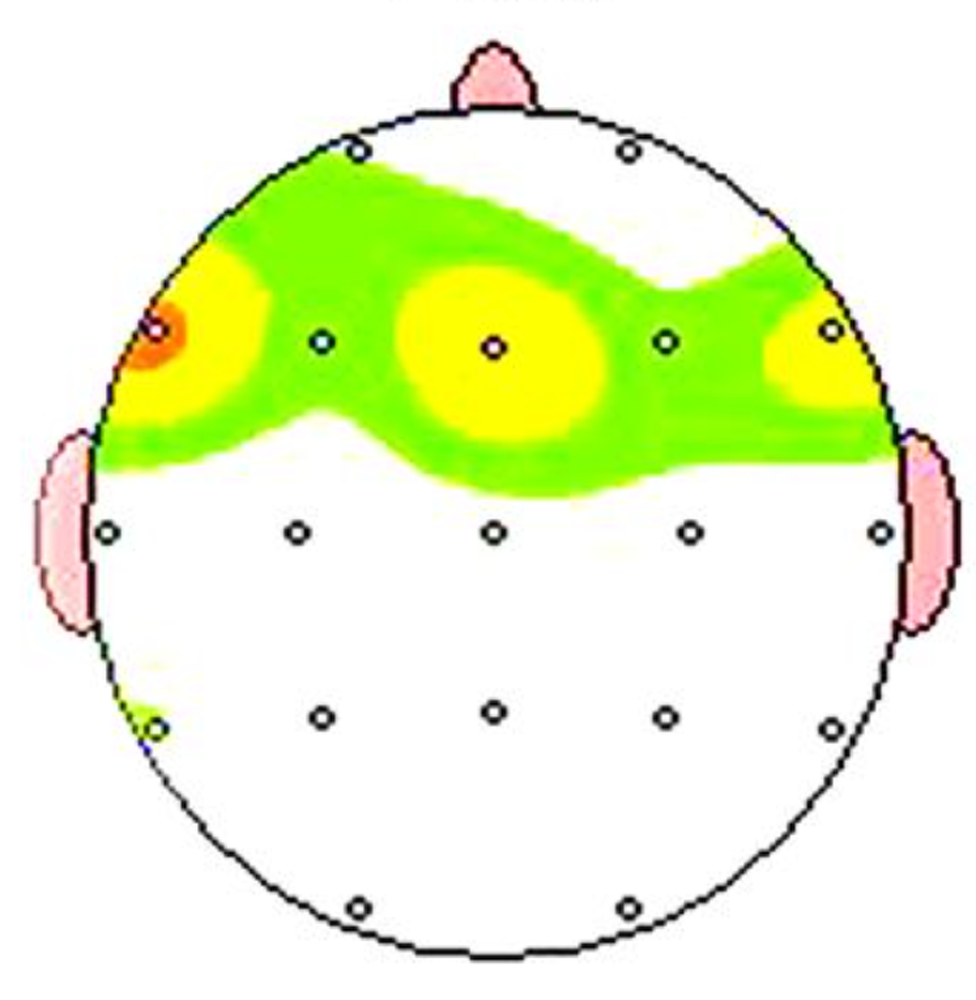
What a 19-channel QEEG brain map shows your clinical team

3

Why running neurofeedback inside residential care changes what's possible

4

Why we don't enroll every family, and who's a strong fit

Measured, not guessed

19 channels

Full-coverage QEEG brain map. Most outpatient offices use 2–4 electrodes.

Before & after

A side-by-side map and screening comparison your family keeps.

20+ sessions

Three to four a week over 5–6 weeks. Most teens find them relaxing.

Dr. Amy Serin

Built on her protocols. Her team reads every brain map; ours acts on it.

Find out if your teen is a candidate.

Our Chief Clinical Officer personally reviews every referral. If the timing isn't right, we'll tell you what we'd want to see change and revisit in 2–3 weeks.
  • We'll explain the program and show you what the data looks like
  • An honest answer on fit, even if it's not yes
  • Insurance verified within one business day
Prefer to call? (623) 243-8992
Thank you! Your submission has been received!
Oops! Something went wrong while submitting the form.

Questions parents ask

Is neurofeedback safe?

Yes. The sensors only listen. Nothing is sent into the brain: no electrical stimulation, no radiation, no medication, no needles.

Will it replace my teen's medication?

Not automatically. It's designed to complement medication and therapy. Any medication change is the prescriber's decision, guided by the data.

What if my teen won't cooperate?

Sessions are low-demand: a movie or a game. If engagement isn't there early on, we may pause, daily charges stop, and you keep the completed brain map.

Watch the full conversation

The whole program, step by step. Jump to any chapter: