
Jamie Humphrey
Head of Culture & Brand Integrity


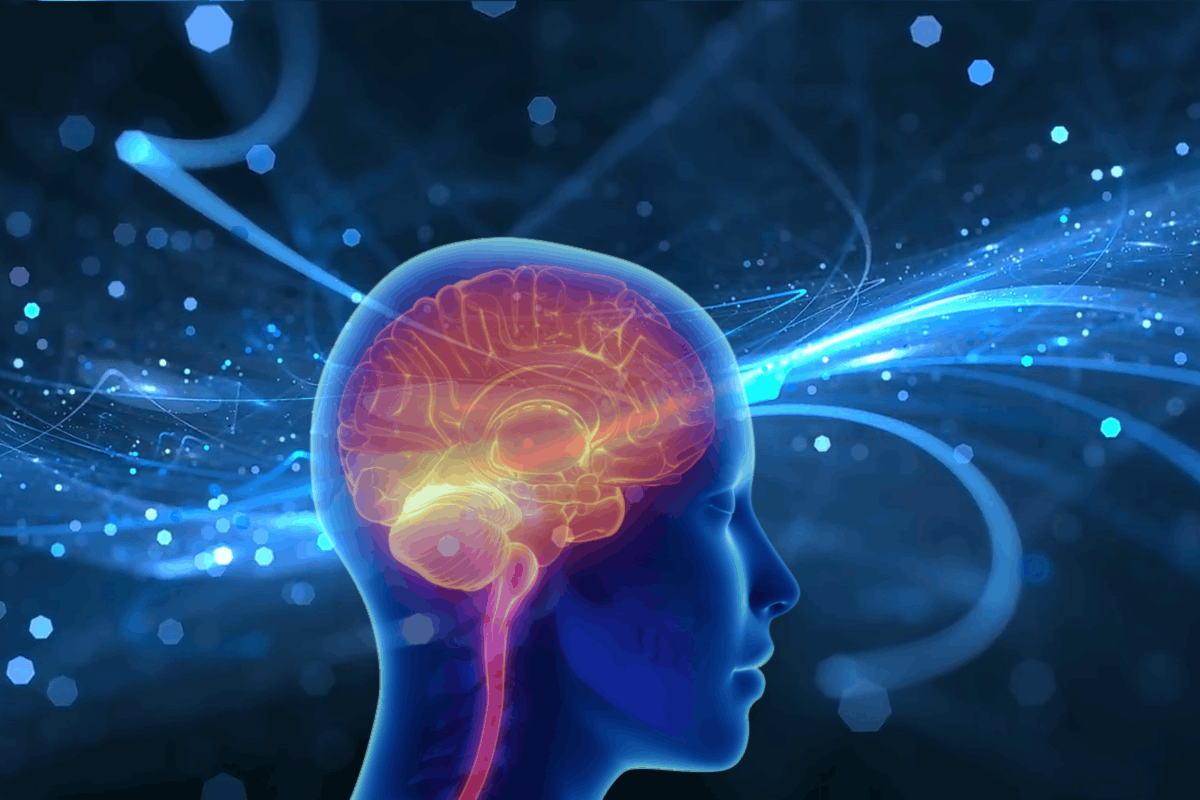
QEEG brain mapping (Quantitative Electroencephalography) is a safe, non-invasive assessment that measures the brain's electrical activity and converts it into visual maps, helping clinicians see how a teen's brain is functioning in real time.
Unlike an MRI or CT scan, which show the brain's structure, a QEEG shows brain activity—information that can help guide personalized treatment for attention, mood, and behavioral challenges.
When a teenager is struggling with mental health challenges, substance use, attention difficulties, anxiety, depression, or emotional regulation issues, parents often find themselves searching for answers. QEEG brain mapping is one diagnostic tool that has gained attention in recent years because it helps clinicians better understand what may be happening beneath the surface.
At Horizon Recovery, we understand that every teen's recovery journey is unique. That's why comprehensive assessments and individualized treatment plans are critical components of effective care. Whether a teen is experiencing addiction, depression, anxiety, trauma, or dual diagnosis conditions, understanding the factors influencing their mental health can help create a stronger foundation for recovery.
QEEG brain mapping begins with a standard EEG (electroencephalogram), which records electrical activity generated by the brain through sensors placed on the scalp. The procedure is painless, safe, and does not involve radiation or invasive medical procedures.
During the assessment, small sensors record the brain's electrical signals, commonly known as brainwaves. Specialized software then analyzes the data and compares it to large normative databases containing information from healthy individuals of similar ages. This comparison helps clinicians identify areas where brain activity may differ from expected patterns.
The resulting "brain map" uses visual representations to show activity levels across different regions of the brain. These maps can highlight patterns associated with attention, emotional regulation, cognitive processing, impulse control, sleep quality, and other important functions.
Rather than providing a standalone diagnosis, QEEG serves as an additional tool that clinicians can use alongside comprehensive evaluations, medical histories, behavioral assessments, and therapeutic observations.
For teens and parents wondering what the experience is actually like, a typical QEEG assessment follows a few simple steps:
Parents often ask how QEEG brain mapping differs from other brain tests their pediatrician or neurologist may have mentioned.
In short: MRI and CT show what the brain looks like, while QEEG shows how the brain is working. For emotional, behavioral, and attention-related concerns, functional information is often what treatment teams find most useful.
To understand QEEG brain mapping, it helps to know a little about brainwaves.
The brain produces different types of electrical activity that correspond to various mental states and functions. Common brainwave categories include:
A QEEG assessment evaluates the balance and distribution of these brainwave patterns. In some cases, unusual activity levels may provide clues about underlying challenges that could be affecting a teen's daily life.
QEEG brain mapping has been studied and utilized in connection with a variety of neurological, psychological, and behavioral conditions. Research suggests it may provide useful information when evaluating concerns such as:
For adolescents, these conditions often overlap. A teen struggling with substance use may also experience anxiety, depression, trauma, or attention-related difficulties. This is why many treatment providers focus on addressing the whole person rather than just the symptoms.
At Horizon Recovery, our clinical team specializes in treating both substance use disorders and co-occurring mental health conditions through evidence-based care tailored specifically to teens and young adults. If attention concerns are part of the picture, our free ADHD test for teens can be a helpful starting point.
One of the most common uses of QEEG brain mapping is guiding neurofeedback therapy—and this is where the two tools work together.
Neurofeedback is a non-invasive training method that helps individuals learn to regulate their own brain activity. During neurofeedback sessions, teens receive real-time feedback (often through visual or audio cues) as their brain activity shifts, gradually reinforcing healthier patterns. A QEEG brain map often serves as the starting point, showing clinicians which patterns and regions to target and providing a baseline to measure progress against.
Horizon Recovery offers a dedicated neurofeedback program for teens, built on the protocols of an internationally recognized neuropsychologist and integrated directly into residential treatment. This means brain-based assessment and training happen alongside therapy, academic support, and family work—not as a disconnected add-on.
Addiction can have a significant impact on the developing adolescent brain. Substance use may affect decision-making, impulse control, emotional regulation, memory, and concentration.
While QEEG is not a cure or treatment itself, it may help clinicians gain a deeper understanding of how a teen's brain is functioning during recovery. Some providers use QEEG data to help guide neurofeedback programs, monitor progress, or support individualized treatment planning.
For families navigating adolescent addiction, it's important to remember that successful recovery involves much more than a single assessment. Effective treatment often includes:
These comprehensive services help teens build healthier coping skills, improve emotional resilience, and establish a foundation for long-term recovery.
One of the reasons QEEG brain mapping has become increasingly popular is because it is considered safe and non-invasive.
The procedure simply records naturally occurring electrical activity from the scalp. There are no injections, medications, radiation exposures, or painful procedures involved. Most teens can complete the assessment comfortably while sitting quietly.
Because of its safety profile, QEEG may be used as part of a broader assessment process when clinicians believe additional information about brain function could be beneficial.
As useful as brain mapping can be, parents should be cautious of any provider presenting QEEG as a standalone diagnostic test or miracle answer. QEEG cannot:
Used responsibly, QEEG is one valuable data point within a thorough assessment—not a substitute for one. Reputable programs pair brain mapping with clinical interviews, behavioral assessments, and input from the family.
No two teenagers experience mental health challenges or addiction in exactly the same way. What works for one adolescent may not be effective for another.
That's why personalized treatment plans remain one of the most important factors in successful recovery. Assessments, evaluations, family involvement, and evidence-based therapies all help clinicians understand each teen's unique needs.
At Horizon Recovery, every level of care lives under one program, including residential treatment, partial hospitalization (PHP), intensive outpatient programming (IOP), outpatient services, and dual diagnosis treatment. Residential treatment serves ages 12 to 17. IOP serves ages 12 to 17, and outpatient therapy serves ages 10 to 21. Our programs are designed to address both mental health and substance use concerns while supporting the entire family throughout the recovery process.
Most QEEG recordings take 15 to 30 minutes, with the full appointment—including cap placement and setup—typically lasting about an hour. Results are then analyzed and reviewed with the family at a follow-up discussion.
No. QEEG only records the brain's naturally occurring electrical activity through sensors resting on the scalp. Nothing is transmitted into the brain, and there are no needles, radiation, or medications involved.
Not by itself. QEEG provides supporting information about brain function, but diagnosis requires a comprehensive clinical evaluation by a qualified professional. Brain maps are most valuable when interpreted alongside a teen's history, symptoms, and behavioral assessments.
Coverage varies by plan and by how the assessment is used within treatment. When QEEG is part of a comprehensive treatment program, associated costs are often addressed within the overall program. Our admissions team can verify your benefits at no cost and explain what your plan covers.
If your teen is struggling with substance use, anxiety, depression, trauma, or other mental health challenges, you don't have to navigate the journey alone.
At Horizon Recovery, our compassionate team provides specialized adolescent treatment services throughout the Phoenix area. We offer residential treatment, outpatient care, intensive outpatient programs, and dual diagnosis support designed specifically for teens and young adults—including an integrated neurofeedback program guided by our neuropsychology team. Our goal is to help adolescents develop the skills, confidence, and support systems they need to build healthier futures.
Director of Neuropsychology