



Adolescence is a period of immense change and growth, both physically and emotionally. As teens explore who they are, take on more responsibilities, and build friendships, their mental health can suffer.
Unfortunately, factors like stress, anxiety, and external pressures can quickly become overwhelming, leaving teens vulnerable to mental health challenges. One of the most powerful tools for supporting teens’ well-being is a stable, supportive group environment.
“If a teen is struggling with mental health issues like an eating disorder, substance abuse problems, or self-harm issues, a group home can provide a structured, therapeutic environment and help teens make emotional and behavioral changes.” – Verywell Mind
At Horizon Recovery, we see firsthand the role that group spaces play in teens’ healing and recovery. This blog will explore how a safe, nurturing home with peers can reduce stress, promote mental well-being, and empower teens to face life’s challenges.
“Group therapy is useful as it allows teens to relate to one another and see that others experience many of the same feelings and challenges.” – Horizon Recovery on group therapy.
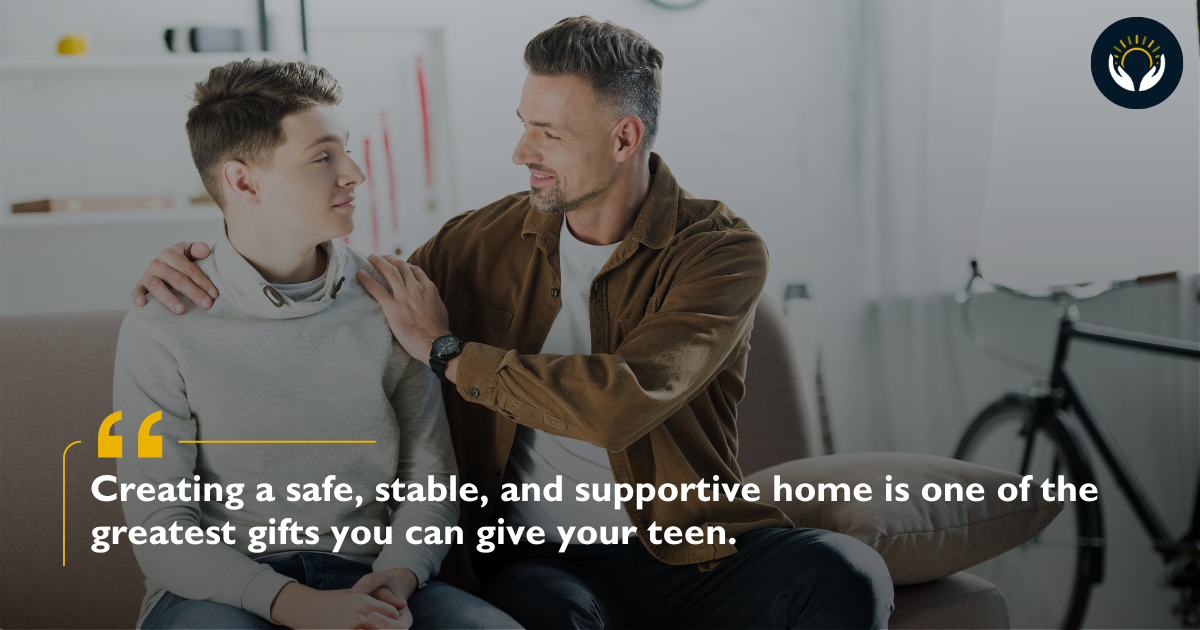
The home environment is often where teens spend the majority of their time outside school. Here they seek refuge from the world, recharge their emotional energy, and process their experiences. However, when a home is unstable, unsafe, or emotionally unhealthy, it can contribute to or worsen mental health issues.
Research shows a direct connection between stable home environments and positive mental health outcomes. According to the National Institute of Mental Health, environmental stressors are major contributors to anxiety, depression, and behavioral issues in teens. Some of these stressors include:
Homes that encourage open communication, stability, and emotional safety can help teens handle stress and grow stronger.
Emotional safety is the foundation of a supportive home. When young people know they can express their thoughts and feelings, they feel understood and valued. This fosters trust, which is essential for a teen’s emotional well-being.
Teens who feel emotionally safe are more likely to:
On the other hand, teens who fear criticism or rejection may hide their emotions. This can lead to internalized anxiety and depression. Parents and caregivers can foster emotional safety by:
Adolescence is already a time of uncertainty as teens navigate physical changes, peer pressure, and growing responsibilities. An unstable home adds another layer of stress that can be deeply unsettling.
Stability at home creates a sense of security and predictability that helps teens feel grounded. Stability allows teens to focus on their growth without feeling overwhelmed by chaos, whether it’s through:
Practical ways to create stability include:
At Horizon Recovery, we’ve seen the transformative impact of stability on teens in our care. When they leave unstable places and go to safe, supportive spaces, they feel relief and healing. They can then focus on building healthy habits.
The relationships teens have at home play a critical role in their mental health. Supportive relationships with parents, caregivers, or siblings give us a sense of belonging. This emotional connection is important for building resilience.
Studies show that teens who experience strong family bonds are better equipped to manage stress and recover from challenges. Positive relationships provide:
On the other hand, strained relationships or a lack of connection can leave teens feeling isolated and misunderstood. This increases their risk for anxiety, depression, or risky behaviors.
Parents can build stronger connections with their teens by:
A safe environment also minimizes external stressors that contribute to mental health struggles. For example, reducing exposure to conflict, loud arguments, or unhealthy dynamics helps teens feel calmer and more secure.
Environmental stressors may include:
Parents and caregivers can help teens feel safe. They can do this by focusing on important factors. Creating a calm and caring environment is key for teen growth.
At Horizon Recovery, we understand that not every teen comes from a stable or supportive home environment. For teens with mental health issues, trauma, or behavior problems, a safe place is crucial. A structured environment helps in their recovery.
Our residential treatment program provides teens with:
Our approach focuses on treating mental health conditions and teaching teens the skills they need to:
If your teen is having trouble with anxiety, depression, trauma, or other mental health issues, Horizon Recovery can help. We offer support and a safe space where teens can find the tools they need to build brighter futures.
While professional treatment can be life-changing, every family should strive to create a safe and supportive home environment. Here are a few tips:
Creating a safe, stable, and supportive home is one of the greatest gifts you can give your teen. It not only helps reduce stress and anxiety but also fosters emotional well-being, trust, and resilience.
At Horizon Recovery, we create safe and healing spaces for teens. We help them overcome challenges and thrive. Whether your family needs support or your teen requires professional care, we’re here to help.
If you’re ready to take the next step toward helping your teen, reach out to Horizon Recovery today. Together, we can create a foundation for lasting healing and growth.